
Yacht Engine Maintenance Checklist for Tivat, Porto Montenegro & Boka Bay
7seas7works
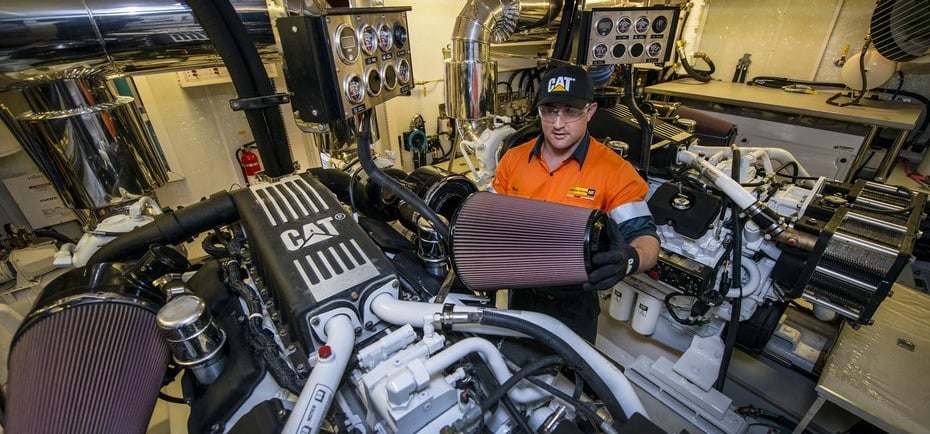
Yacht engines work hard in the warm, salty waters of Boka Bay, especially during the busy summer season out of Porto Montenegro. Regular, professional yacht engine maintenance is the only way to avoid breakdowns, protect resale value and keep every trip from Tivat safe and stress‑free. This detailed guide explains the essential checks, service intervals and procedures that 7seas7works uses when caring for marine diesel engines in the area.
Why Yacht Engine Maintenance Matters
A modern marine diesel engine is designed to run for thousands of hours, but only if oil, fuel, cooling and electrical systems are kept in perfect condition. Neglected engines suffer from overheating, fuel contamination, corrosion and unexpected failures that can ruin holidays and charters. In a busy destination like Tivat and Boka Bay, where many yachts run short hops and long passages in the same week, a structured maintenance plan is critical.
Well‑maintained engines also run cleaner and more efficiently, burning less fuel and producing fewer emissions. That matters for running costs, comfort at anchor and compliance with marina and environmental regulations. For owners who keep their yachts in Porto Montenegro year‑round, good maintenance also protects the value of the boat when it is time to sell.
Daily and Pre‑Departure Engine Checks
Before every departure from Tivat, Porto Montenegro or any Boka Bay marina, the skipper should complete a quick but consistent engine check. These daily checks take only a few minutes and catch most issues long before they become serious.
Check engine‑oil level with the dipstick and confirm the oil looks clean and at the correct mark.
Inspect coolant level in the header tank or expansion bottle, looking for any signs of leaks, rust or contamination.
Open the engine compartment and look for fresh drips or stains under the engine, gearbox and fuel system.
Check belt tension and condition, verifying there are no cracks, frayed edges or black dust around pulleys.
Inspect hoses, clamps and fuel lines for chafe, swelling or corrosion.
Ensure the raw‑water seacock is open and the strainer is clean and properly sealed.
Start the engine, verify seawater flow at the exhaust outlet, and monitor temperature and oil‑pressure gauges for normal readings.
Building this routine into every departure from Porto Montenegro or other Boka Bay marinas greatly reduces the risk of engine trouble offshore.
Weekly and Monthly Engine Room Checks
For yachts that stay in Tivat or cruise around Boka Bay frequently, a deeper inspection once a week and at least once a month is strongly recommended. This level of yacht engine maintenance goes beyond quick checks and looks at the overall health of the installation.
Inspect engine mounts and check for unusual vibration or movement when the engine is running in gear.
Check shaft seal area for water ingress or oil leakage and verify the bilge is dry and clean.
Clean any salt, dust or oil residue from the engine block and surrounding structures to avoid corrosion.
Examine electrical connections, battery terminals and charging cables for corrosion or loose connections.
Test battery voltage, starting performance and alternator charging output.
Operate all controls (throttle, shift, emergency stop) and confirm they move freely and return to neutral smoothly.
Keeping the engine room clean and tidy is part of professional yacht engine servicing. A clean space makes new leaks or problems visible and supports safer work in the confined spaces typical of engine rooms in Boka Bay yachts.
Routine Service Intervals for Marine Diesel Engines
Most yacht engines in Tivat and Porto Montenegro are marine diesels that follow similar service intervals, but owners should always follow the specific manufacturer schedule. As a general rule, yacht engine service includes the following kilometre‑stones:
Every 100–250 hours or at least once per season: change engine oil and oil filter using marine‑grade oil of the correct specification.
Every 200–500 hours: replace primary (pre‑filter/water separator) and secondary (engine) fuel filters; inspect fuel tanks, polish fuel if contamination is suspected.
Every 200–300 hours or annually: inspect and usually replace the raw‑water impeller; check pump housing and cover plate for scoring.
Annually: replace gearbox or sail‑drive oil, check seals and inspect propeller, shaft and anodes.
Every 2–3 years: flush and renew coolant in closed‑circuit systems; clean heat exchangers, intercoolers and oil coolers; replace hoses if age or wear is visible.
For yachts that operate heavily in charter or cover long distances around Boka Bay, these intervals should be shortened. Owners with low annual hours but long calendar time in the water still need yearly yacht engine servicing because oil, fuel and coolant degrade over time.
Step‑by‑Step Annual Service Procedure
A professional annual yacht engine service in Tivat or Porto Montenegro typically follows a structured process. The outline below shows how 7seas7works approaches a standard marine diesel service:
Preparation and safety
Secure the yacht in the marina, ventilate the engine room and isolate batteries where necessary.
Gather the correct filters, oils, seals and tools according to engine brand and model.
Oil and filter change
Warm the engine briefly so the oil flows easily, then extract old oil via pump.
Replace the oil filter, lightly oiling the new seal, and refill with fresh oil to the specified capacity.
Fuel system service
Replace primary and secondary fuel filters and clean or replace filter bowls and seals.
Drain any water or sludge from the bottom of fuel tanks or separators; inspect fuel quality.
Cooling system service
Inspect and replace the raw‑water impeller if needed; clean the strainer and check all hoses and clamps.
Check coolant level and condition in the closed system; replace coolant if it is discoloured, rusty or past its service life.
Inspect heat exchangers and anodes; remove scale, debris or corrosion.
Air and exhaust system
Clean or replace air filters; verify airflow is not restricted.
Inspect exhaust hoses, waterlocks and connections for leaks, soft spots or ageing.
Electrical and control checks
Test batteries under load, clean and protect terminals, and inspect charging systems.
Check all engine alarm systems, panel lights and gauges for correct operation.
Verify throttle and gearbox controls move freely and adjust cables if needed.
Final test run and sea trial
Run the engine at the dock, checking for leaks, abnormal noises and correct temperatures.
If possible, conduct a short sea trial from Tivat or Porto Montenegro to confirm full‑load performance and note any issues for follow‑up.
Documenting each step and hour‑reading creates a clear service history, which is valuable for both reliability and resale.
Seasonal Engine Care in Tivat and Boka Bay
Because many yachts remain in the water or in local yards year‑round, seasonal yacht engine maintenance around Boka Bay is especially important.
Winter lay‑up
When the yacht will not be used for weeks or months:
Change engine oil and filters to remove acidic, contaminated oil before storage.
Top up fuel tanks and add a suitable stabilizer to reduce condensation and diesel bug risk.
Flush raw‑water systems as recommended, and protect against freezing if winter temperatures drop.
Isolate batteries or connect them to a smart charger and confirm ventilation is adequate.
Spring recommissioning
Before the first cruise of the new season:
Reopen seacocks, reassemble strainers and check all hoses and clamps.
Inspect belts, impellers and anodes, replacing any suspect components.
Test‑run the engine at the dock, then perform a short sea trial to confirm performance under load.
Scheduling these tasks with a local Tivat yacht engine service company avoids the rush periods just before holidays or charter turnarounds.
Engine Maintenance for Charter Yachts in Porto Montenegro
Charter yachts based in Porto Montenegro and operating around Boka Bay often accumulate high engine hours in a single season. For these boats, yacht engine maintenance must be proactive and tightly scheduled between charters.
Plan major services at specific hour milestones and coordinate them with lay‑days in the marina.
Perform quick inspections and fluid checks between every charter, treating them as mini‑services.
Track engine data (hours, temperatures, fuel consumption, fault codes) to spot trends before they become problems.
A reliable engine keeps charter guests safe and happy, protects online reviews and reduces the risk of costly off‑hire periods during peak season.
Why Owners Choose 7seas7works for Yacht Engine Service
Yacht owners in Tivat, Porto Montenegro and across Boka Bay choose 7seas7works because the focus is on reliable, preventative yacht engine maintenance rather than short‑term fixes. The team combines practical marine‑diesel experience with meticulous yacht detailing, so the engine room is clean, safe and easy to inspect.
Being based locally means 7seas7works can respond quickly to yachts moored in Porto Montenegro and surrounding marinas, coordinating with local yards and suppliers when haul‑outs or extra work are needed. Maintenance plans are tailored to each yacht’s usage pattern, whether it is a private cruiser doing relaxed Boka Bay trips or a hard‑working charter yacht that runs all season. Owners gain one trusted partner for engine service, seasonal checks and ongoing guardianship, helping protect reliability, safety and resale value.
This draft can be pasted into your website builder, then you can add internal links to your “Yacht Engine Service”, “Yacht Maintenance in Tivat” and “Guardianship” pages, plus a strong call‑to‑action like “Book yacht engine service in Tivat and Porto Montenegro today”.
Get in touch with our team today.
Contact us
© 2025. All rights reserved.